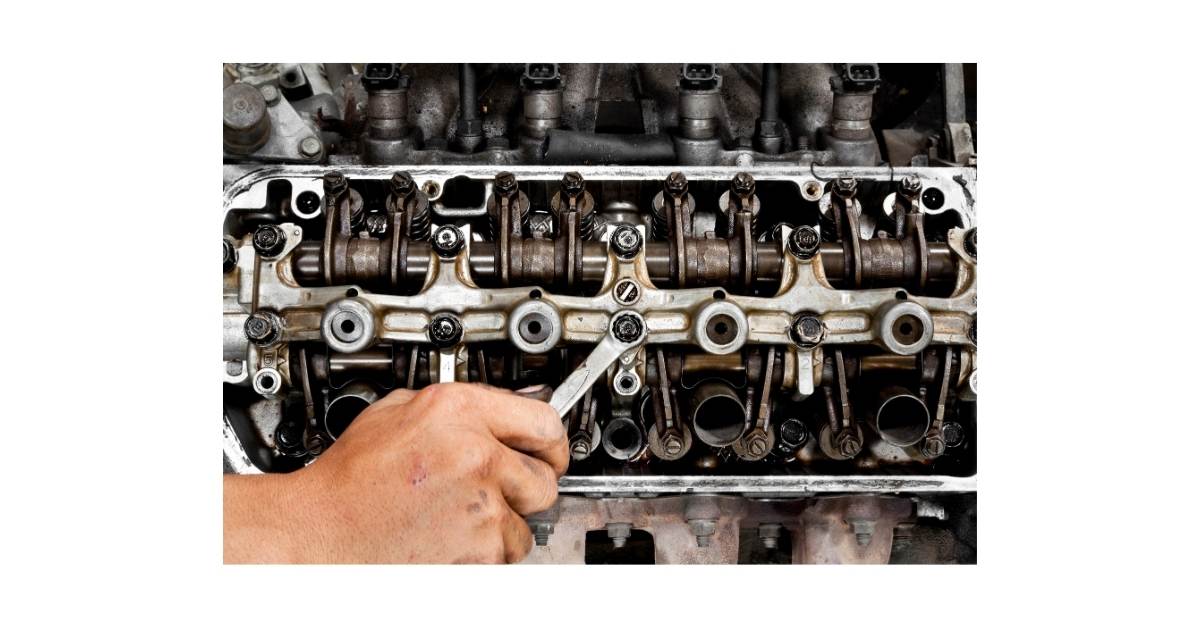

Understanding Engine Oil and Its Critical Role in Vehicle Health
Engine Oil plays a foundational role in keeping modern vehicles operating efficiently and reliably. From the moment an engine starts, oil begins circulating through internal components, reducing friction, managing heat, and preventing premature wear. Within the first stages of understanding Engine Oil, it becomes clear that it is not just a consumable fluid but a core component of engine health. Choosing the right oil and maintaining proper intervals directly influences performance, fuel efficiency, and long-term durability.
Many engine-related failures can be traced back to poor lubrication practices. Incorrect oil viscosity, delayed oil changes, or low-quality formulations can gradually damage critical components. For this reason, Engine Oil selection and maintenance should be treated as a strategic decision rather than a routine afterthought for vehicle owners.
How Engine Oil Protects Internal Components
Inside an engine, thousands of metal parts move at high speeds under extreme temperatures. Engine Oil creates a protective film between these surfaces, preventing direct metal-to-metal contact. This lubrication minimizes friction, which in turn reduces heat generation and mechanical wear. Without proper oil flow, even the most well-engineered engine would suffer rapid degradation.
Beyond lubrication, Engine Oil also acts as a cleaning agent. It collects microscopic debris, carbon deposits, and combustion byproducts, carrying them to the oil filter. This cleaning function helps maintain internal cleanliness, ensuring that engine passages remain unobstructed. Over time, effective oil circulation preserves performance consistency and reduces the risk of costly internal damage.
Engine Oil and Temperature Regulation
Temperature control is another essential function of Engine Oil. As engines operate, combustion generates significant heat that must be managed efficiently. While the cooling system handles much of this task, oil absorbs and redistributes heat away from critical areas such as pistons, bearings, and camshafts. This supplemental cooling helps prevent localized overheating that could compromise component integrity.
Proper oil viscosity is especially important for temperature management. Oil that is too thick may struggle to circulate during cold starts, while oil that is too thin may fail to provide adequate protection at high temperatures. Selecting Engine Oil with the correct viscosity rating ensures balanced performance across a wide range of operating conditions.
Understanding Engine Oil Viscosity Ratings
Viscosity refers to an oil’s resistance to flow, and it is one of the most important characteristics when selecting Engine Oil. Multi-grade oils are designed to perform well in both cold and hot conditions, adapting to temperature changes as the engine warms. These ratings indicate how the oil behaves during startup and under operating heat.
Using the correct viscosity is critical for maintaining oil pressure and proper lubrication. An oil that flows too slowly can starve components during cold starts, while overly thin oil may fail to maintain a protective film. Manufacturers specify viscosity requirements based on engine design, tolerances, and operating demands, making adherence essential for optimal performance.
Conventional, Synthetic, and Blended Engine Oils
Engine Oil formulations generally fall into three categories: conventional, synthetic, and synthetic blends. Conventional oil is derived from refined crude oil and is suitable for basic engine designs with standard operating conditions. It is typically more affordable but may require more frequent changes.
Synthetic Engine Oil is engineered for enhanced performance and stability. It offers superior resistance to thermal breakdown, improved flow at low temperatures, and better protection under high stress. Synthetic blends combine aspects of both, providing improved protection at a moderate cost. Choosing the appropriate type depends on driving habits, engine design, and performance expectations.
Engine Oil Additives and Their Purpose
Modern Engine Oil contains carefully balanced additives that enhance performance and protection. Detergents and dispersants keep contaminants suspended, preventing sludge formation. Anti-wear additives protect critical surfaces under high load, while antioxidants slow oil degradation over time.
These additives work together to extend oil life and maintain engine cleanliness. However, additives are consumed gradually during use, which is why regular oil changes remain essential. Fresh Engine Oil replenishes these protective elements, ensuring continued effectiveness in safeguarding engine components.
Oil Change Intervals and Maintenance Strategy
Oil change frequency is a key factor in engine longevity. While older vehicles often required changes at short intervals, modern engines and oils allow for extended service periods. However, intervals vary depending on oil type, driving conditions, and engine design. Severe driving conditions such as frequent short trips or heavy loads may require more frequent changes.
Following manufacturer recommendations helps balance cost and protection. Delaying oil changes beyond recommended limits can lead to sludge buildup, reduced lubrication efficiency, and increased wear. A consistent maintenance strategy ensures that Engine Oil continues to perform its protective functions effectively throughout the engine’s lifespan.
Engine Oil and Fuel Efficiency
Engine Oil directly influences fuel efficiency by reducing internal friction. When components move smoothly, the engine requires less energy to operate, resulting in improved fuel economy. High-quality oil with the correct viscosity allows engines to perform efficiently without unnecessary resistance.
Degraded or incorrect oil can increase drag within the engine, forcing it to work harder. Over time, this inefficiency leads to higher fuel consumption and increased emissions. Maintaining proper Engine Oil quality is therefore not only a mechanical concern but also an economic and environmental consideration.
Common Engine Oil Myths and Misconceptions
Many misconceptions surround Engine Oil, leading to confusion among vehicle owners. One common myth is that darker oil always indicates poor condition. While color can change due to normal cleaning action, it does not always mean the oil is ineffective. Another misconception is that switching oil types damages engines, when in reality, proper transitions are generally safe if specifications are met.
Understanding facts rather than assumptions helps owners make informed decisions. Relying on manufacturer guidelines and credible technical resources is the best way to avoid mistakes that could compromise engine health.
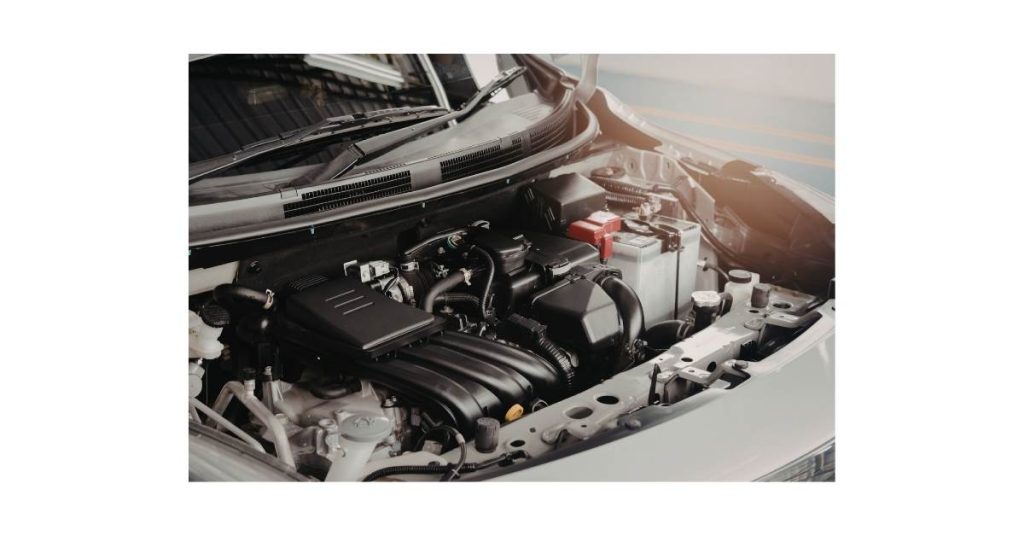
Signs That Engine Oil Needs Attention
Recognizing early warning signs can prevent serious engine issues. Low oil levels, warning lights, unusual engine noises, or increased operating temperatures may indicate oil-related problems. Ignoring these signs can lead to accelerated wear or even engine failure.
Regular checks of oil level and condition are simple yet effective practices. Monitoring Engine Oil ensures that minor issues are addressed before they escalate. Proactive attention supports smoother operation and extends engine life significantly.
Engine Oil and Long-Term Engine Durability
Long-term engine durability depends heavily on consistent lubrication quality. Engines that receive timely oil changes with appropriate formulations tend to maintain compression, efficiency, and reliability over extended mileage. Conversely, neglected oil maintenance often results in sludge, worn bearings, and reduced performance.
This relationship highlights why Engine Oil should be viewed as an investment rather than a cost. Proper lubrication protects one of the most expensive components of a vehicle, preserving value and reducing the likelihood of major repairs.
Choosing the Right Engine Oil for Your Vehicle
Selecting the right Engine Oil involves considering manufacturer specifications, driving conditions, and climate. Vehicle manuals provide clear guidance on viscosity and oil type, which should be followed closely. Deviating from these recommendations can compromise protection and warranty coverage.
For drivers seeking deeper insights into oil selection, performance characteristics, and maintenance guidance, resources like Engine Oil offer focused information. Access to reliable technical analysis helps owners align oil choices with real-world operating needs.
The Role of Engine Oil in Modern Engines
Modern engines are more advanced and efficient than ever, but they also place greater demands on lubrication systems. Tighter tolerances, turbocharging, and emissions controls require Engine Oil to perform consistently under higher stress. This makes oil quality more important than in previous generations.
Manufacturers continuously update oil specifications to match evolving engine designs. Staying informed about these requirements ensures compatibility and protection. Using up-to-date Engine Oil standards supports performance and reliability in increasingly complex powertrains.
Making Informed Engine Oil Decisions
Informed decisions lead to better outcomes in vehicle ownership. Understanding how Engine Oil functions, how it degrades, and how it supports engine systems empowers owners to maintain their vehicles effectively. Knowledge reduces reliance on guesswork and minimizes the risk of costly mistakes.
For ongoing education, comparisons, and detailed breakdowns, Engine Oil serves as a valuable reference. With proper selection and maintenance, Engine Oil remains one of the most powerful tools for protecting performance, efficiency, and long-term engine health.